A conceptual example of a workspace
legal-research-workspace/
├── AGENTS.md        # shared project rules
├── CLAUDE.md        # @AGENTS.md + Claude-specific instructions
├── protocol/        # question, scope, taxonomy, criteria
├── sources/         # primary materials and register
├── .agents/skills/  # skills for OpenAI Codex
├── .codex/agents/   # specialised Codex roles
├── .claude/skills/  # skills for Claude Code
├── .claude/agents/  # specialised Claude Code roles
├── tools/           # search, computation, citation resolver
├── verification/    # tests, samples, checklist, human sign-off
├── artifacts/       # intermediate and final outputs
├── logs/            # run log
└── metadata/        # versions, run_id, model, cost, status
The structure is illustrative: the specific files depend on the platform and the organisation's policy.
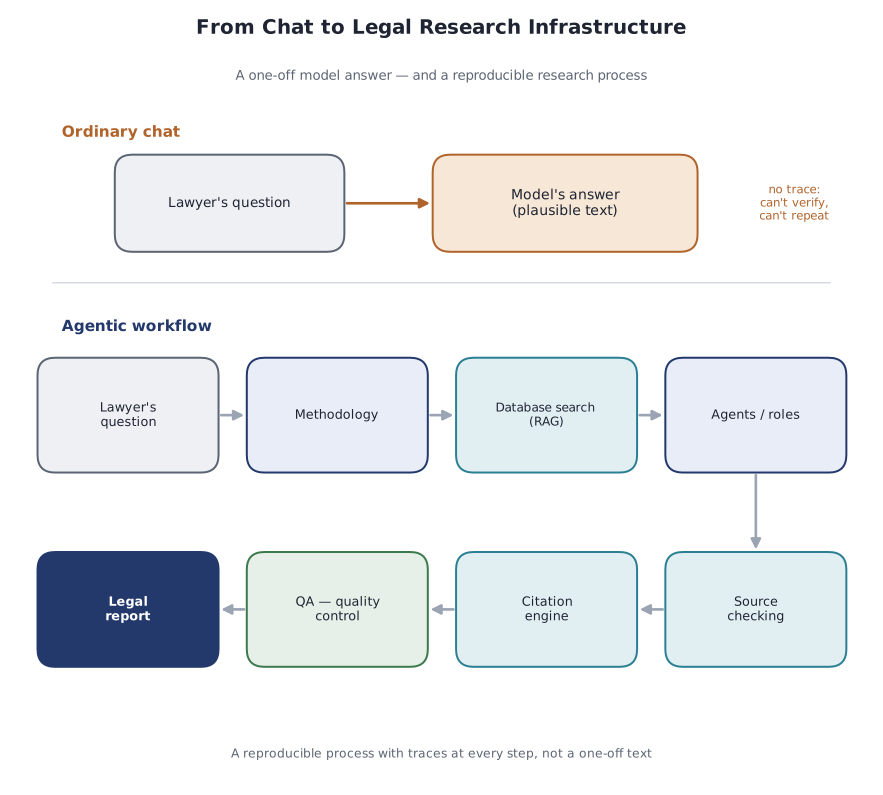
Specialized roles are configurations of work stages, not autonomous 'virtual lawyers'
- Research planner / methodologist
- Corpus builder / corpus specialist
- Classifier / classification specialist
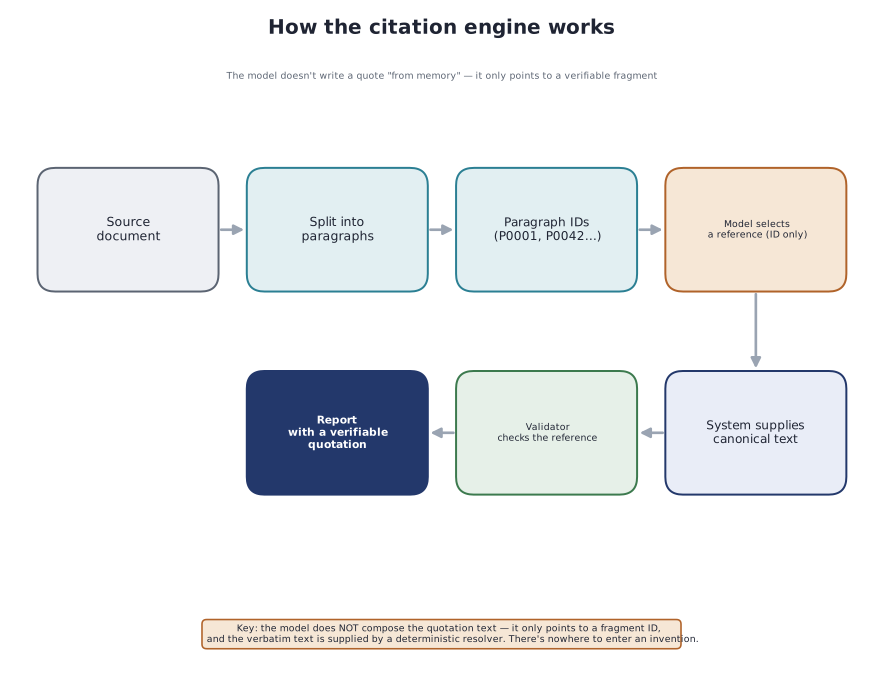
- Citation verifier / source checker
- Adversarial critic / hypothesis critic
- Legal reviewer / legal peer reviewer
- Report editor / work-package editor
Examples of repeatable skills
- define the research protocol
- assemble and deduplicate the corpus
- classify a court decision
- verify a citation against the primary source
- find counter-examples
- assess impact scenarios
- assemble a verifiable work package
The methodological core is stored in portable text rules, skills, data schemas and tests; platform-specific adapters connect them to OpenAI Codex, Anthropic Claude Code or a compatible environment.